
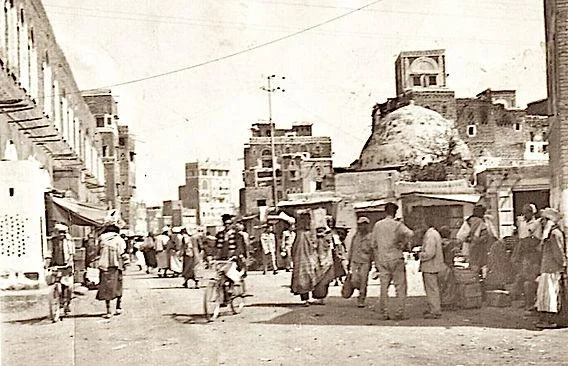
Behind the weathered façades and the wooden gates of Old Sana’a's traditional souks lie narratives that cannot be found on maps or in books alone—stories of merchants and master craftsmen, seasonal trade cycles, lifelong neighborly bonds forged across winding alleys, and community gatherings that united the historic quarters (harat) across generations.
Elderly residents are the custodians of a vital share of this intangible heritage. They hold vivid recollections of long-forgotten storefronts, specialized craft guilds, shifting market dynamics, and the traditional idioms and proverbs that once flavored daily speech.
Oral history, however, requires disciplined methodological documentation. Interviews should ideally be recorded with prior informed consent, attributing the narrator by name where permitted, and noting the precise date and location of the session. Whenever feasible, oral accounts should be cross-referenced with primary archival sources, carefully distinguishing between direct eyewitness experiences and hearsay passed down from parents and grandparents.
Archival photographs serve as powerful elicitation tools in this process. Showing a historic photograph of a souk or a neighborhood alleyway to a longtime resident often unlocks specific names, forgotten events, and spatial details that might not otherwise surface.
Documenting these narratives preserves a vital dimension of Old Sana’a’s intangible cultural heritage, offering younger generations the chance to experience the city's past directly through the authentic voices of its people.
When we listen to our elders, we do not merely hear fleeting tales; we grant the living memory of the city a renewed lease on life.